Home › Asphalt Pathways, Sidewalks, and Trails
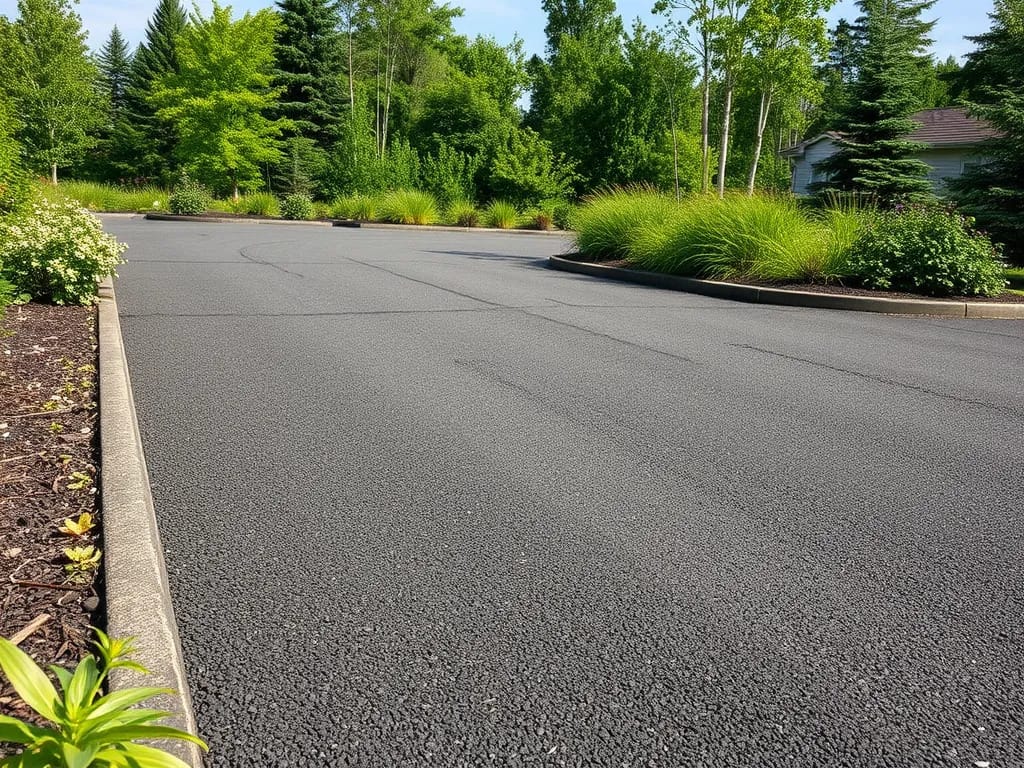
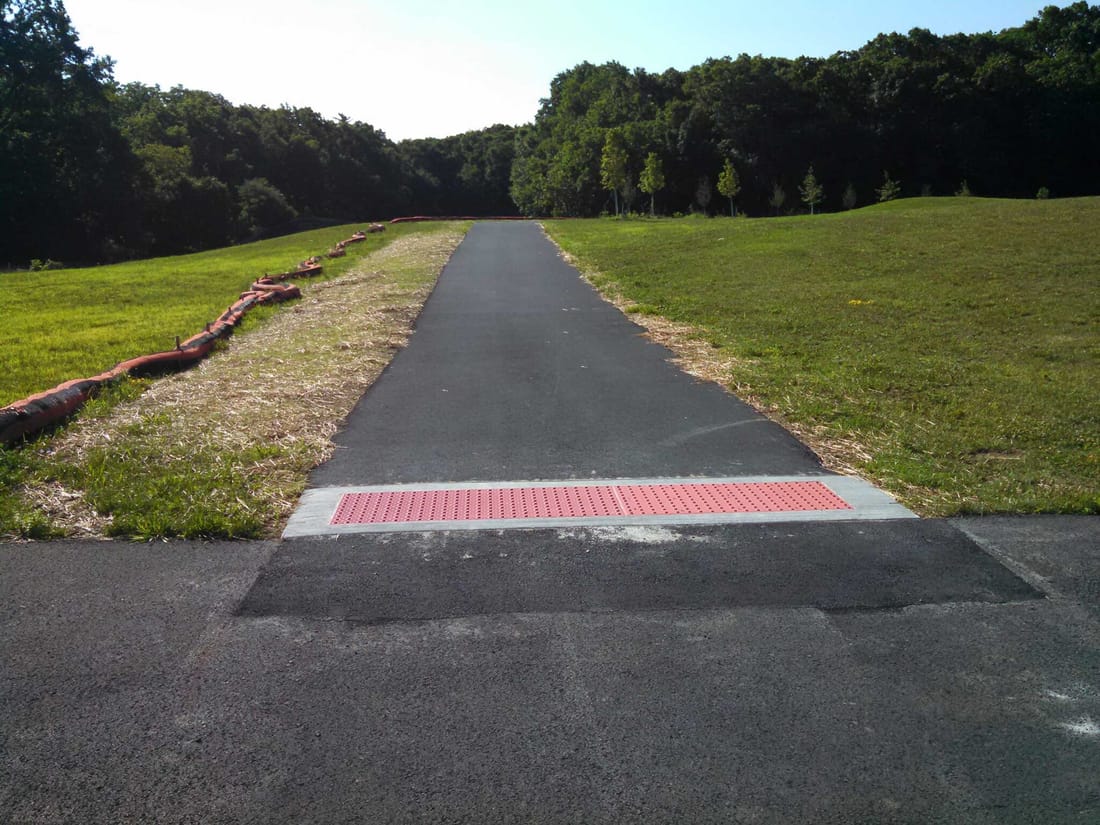
Provide safe, accessible routes with asphalt pathway paving in Atlanta, GA. Precision Asphalt Atlanta builds sidewalks, walking paths, and multi use trails for parks, campuses, and communities. Our paths are smooth, slip resistant, and designed for pedestrians, bikes, and strollers with proper widths, slopes, and transitions.
Precision Asphalt Atlanta provides professional asphalt pathway paving throughout Atlanta, GA, Georgia and the surrounding area. Our licensed, insured crew delivers safe, clean, on-time work with a free estimate before anything begins. Call (470) 683-6069 or request your free quote.
Durable Asphalt Pathways, Sidewalks, and Trails in Atlanta
Asphalt pathways, sidewalks, and trails live a tough life in Atlanta. Heat, sudden summer storms, tree roots, and heavy foot and bike traffic all take a toll. Precision Asphalt Atlanta builds these surfaces with Atlanta’s conditions in mind so they last longer and stay safer.
When we look at a new pathway or sidewalk project, we do not start with the asphalt mix. We start with how people will actually use it. A narrow residential walkway alongside a driveway needs different design choices than a multi-use trail in a park or a school campus connector. We talk through who will be using it (walkers, runners, bikes, golf carts, maintenance vehicles), how often it will be used, and what kind of slope or drainage problems the property already has. That real-world use drives the design.
Local knowledge matters here. In Metro Atlanta, we see a lot of clay soils that hold water, steep grades that can wash out edges, and tree-heavy neighborhoods where roots can buckle concrete and asphalt. Precision Asphalt Atlanta plans the base depth, drainage, and edge support for those exact conditions, not for some generic climate or soil profile. This is how you avoid early cracking, settling, and trip hazards that can show up only a year or two after a cheap install.
How We Build Long-Lasting Asphalt Pathways
The quality of an asphalt pathway or sidewalk depends more on what you cannot see than on the black surface on top. Our crews follow a step-by-step process that focuses on the base and drainage before a single ton of asphalt is laid.
First, we handle layout and excavation. We mark the path alignment based on your site plan or a walk-through on the property, then cut and excavate to the required depth, usually 8 to 12 inches below finished grade for most walkways and trails. In areas with poor drainage or soft clay, we may dig deeper so we can add extra base aggregate or a stabilization fabric.
Next comes subgrade preparation. We shape and compact the native soil using vibratory rollers or plate compactors, depending on access. Any soft spots or organic material are removed and replaced with compactable fill. In parts of Atlanta where red clay turns slick and unstable after rain, we often use geotextile fabric under the stone base so the base does not punch into the soil over time.
Then we install the aggregate base, usually crushed stone (often a graded aggregate base, or GAB) placed in lifts and compacted to a tight, stable surface. For higher use trails, we prefer a thicker base to control future settlement. We also build the correct cross slope (typically around 2 percent) so water sheds off the pathway instead of ponding on it.
Once the base is ready, we pave with hot mix asphalt. For standard pedestrian use, a typical asphalt thickness is 2 to 3 inches compacted. For multi-use trails that see bicycles and maintenance carts, we may recommend thicker sections. Precision Asphalt Atlanta uses mixes that handle Atlanta’s heat without becoming too soft, and we compact with steel drum rollers to achieve a dense, smooth surface that resists raveling and early cracking.
Design Choices for Sidewalks, Paths, and Trails
Even though asphalt is a simple material on the surface, you still have real choices that affect appearance, cost, and performance. Precision Asphalt Atlanta helps you sort through these so you do not overbuild or underbuild the project.
Width is one of the first decisions. Residential walkways are often 3 to 4 feet wide. Neighborhood walking paths might be 5 to 6 feet, and shared-use trails usually run 8 to 12 feet depending on bike traffic and maintenance equipment. We match width to available space, planned usage, and any local requirements from the City of Atlanta or nearby municipalities.
Thickness and base depth are the hidden design choices that drive long-term results. A thin layer of asphalt over a shallow base may look fine at first but will show dips and cracks quickly once the soil moves or vehicles cross it. We explain the trade-off between initial savings and long-term maintenance so you can choose a section that makes sense for your property rather than a one-size-fits-all approach.
You can also select edge treatments. For simple backyard pathways, a clean asphalt edge may be fine. For HOA common areas, apartment complexes, or parks, we often use soil or sod shoulders, or concrete or stone edging to hold the asphalt in place and protect against edge crumbling when foot traffic steps off the sides. These details matter in Atlanta neighborhoods with sloped lawns or heavy rain runoff that can erode edges.
Drainage design is another key factor. We can add shallow swales along the path, small culverts beneath the trail at low spots, or tie into existing storm structures. In older Atlanta neighborhoods with minimal storm infrastructure, we put extra thought into where that water is going so your new sidewalk does not turn into a channel that feeds water toward foundations or low-lying yards.
What Affects Cost and How To Avoid Problems
Most customers want to understand what drives the cost of asphalt pathway paving. With Precision Asphalt Atlanta, the estimate is built from tangible items you can see and discuss.
The biggest cost factors are length and width, base thickness, asphalt thickness, and site access. A long, wide multi-use trail with poor access for trucks and rollers will cost more per foot than a short straight sidewalk where equipment can reach easily. If we have to haul all materials through narrow gates or around buildings, labor prices rise accordingly.
Site conditions also matter. Soft ground, poor drainage, or significant tree root issues add work. For example, if large roots cross the planned path, we may either adjust the alignment or carefully root prune and install a thicker stone base to bridge over those areas. In heavily wooded lots around Atlanta, planning for rooting patterns helps prevent heaving and cracking later.
Common problems we are hired to fix on existing asphalt paths include low spots that hold water, edges that are crumbling away, and sections that have alligator cracking from a weak base. Our repair approach depends on what is causing the failure. Sometimes a simple asphalt overlay works, but quite often we recommend cutting out and rebuilding the base in the worst areas before resurfacing, so the same issue does not come back in a year.
We are upfront about where you can reasonably save money and where you should not cut corners. For example, reducing asphalt thickness by a quarter inch may not save much, but skipping proper compaction or drainage will nearly guarantee earlier repairs. We explain these trade-offs clearly during the estimate so there are no surprises down the road.
What Atlanta Property Owners Should Do Before Hiring
Before you hire anyone for asphalt pathway paving, a little preparation on your side can prevent change orders and headaches.
First, think through the actual route and how people use your property. Walk it a few times at different times of day. Note where water runs after rain, where people already walk in the grass, and where you might want benches, lighting, or trash cans. Sharing these details helps Precision Asphalt Atlanta place the path where it will actually be used and coordinate with other site features.
Second, gather any site information you have. A simple sketch with measurements, existing utility locations, and property lines helps us design a pathway or sidewalk that does not interfere with other infrastructure. Utility marking is important in Atlanta, especially in older neighborhoods where gas, water, or telecom lines may not be where you expect. We can help coordinate 811 utility locates before work begins.
Third, ask every contractor exactly how they prepare the base, what thickness they are quoting for both stone and asphalt, and what type of asphalt mix they plan to use. If an estimate only lists a total price with no specification, you are not really comparing apples to apples. We provide detailed written scopes so you know what you are paying for.
Finally, consider maintenance. Asphalt pathways should be checked periodically for drainage issues, edge damage, or early cracks. We can sealcoat certain pathways once they have cured and recommend patching approaches that fit your budget. Planning for light maintenance up front will help your sidewalks, paths, and trails serve your property for many years instead of just a few.