Home › Commercial Gravel-to-Asphalt Conversions
Upgrade messy gravel or dirt lots with commercial gravel to asphalt conversions in Atlanta, GA. Precision Asphalt Atlanta transforms rough surfaces into clean, stable parking areas and drives that are easier to maintain. We handle grading, drainage improvements, base installation, and asphalt paving so your property looks more professional and functions better year round.
Precision Asphalt Atlanta provides professional commercial gravel to asphalt throughout Atlanta, GA, Georgia and the surrounding area. Our licensed, insured crew delivers safe, clean, on-time work with a free estimate before anything begins. Call (470) 683-6069 or request your free quote.
Commercial Gravel-to-Asphalt Conversions for Atlanta Properties
If your commercial lot in Atlanta is still gravel, you already know the headaches: dust on vehicles, washouts after hard rains, uneven surfaces that worry visitors, and constant regrading. Precision Asphalt Atlanta focuses on commercial gravel to asphalt conversions that turn those high-maintenance areas into clean, durable, and clearly marked parking and drive surfaces.
We work with shopping centers on Georgia Highway corridors, churches and schools in older intown neighborhoods, industrial yards near I-285, medical offices, and multi-building business parks. Each property type has different traffic patterns and drainage challenges, so we design each conversion specifically for how your site is actually used, not a one-size-fits-all section detail.
From the first site walk to the final striping, our team is focused on function, code compliance, and a professional appearance that reflects well on your tenants, customers, and staff.
Site Evaluation: What We Look For Before Converting Gravel to Asphalt
A successful commercial gravel to asphalt project in Atlanta starts with a detailed site evaluation, not just a quick drive-by. During your free assessment, Precision Asphalt Atlanta measures existing grades, notes where water currently stands after storms, and identifies soft or pumping areas in the gravel that might indicate poor subgrade conditions.
We check access points to public streets, curb tie-ins, and existing drainage structures like catch basins and swales. In many Atlanta commercial properties, especially older ones, drainage was added piece by piece. We confirm whether your current setup can handle runoff from a new, impervious asphalt surface or if we need to add inlets, swales, or underdrains.
We also look at usage. A restaurant or retail center at a busy intersection has different loading and turning stresses than a self-storage facility or church. We count and map heavy truck paths, dumpster pads, and loading zones so we can specify thicker asphalt or stronger base where you need it most. This early planning helps prevent rutting and premature failure in your highest stress areas.
Soil, Base, and Drainage: Building a Solid Foundation
Gravel sitting over weak Georgia red clay will not support commercial asphalt without preparation. That is why our gravel to asphalt conversions begin with subgrade testing and correction. Precision Asphalt Atlanta proof-rolls the site with heavy equipment to locate soft spots. Where the ground flexes or pumps, we undercut those areas, typically 8 to 24 inches, then rebuild them with graded aggregate base (GAB) compacted in layers.
In many Atlanta sites we also deal with mixed fill, such as old construction debris under the gravel. We identify and remove unsuitable materials, then compact the subgrade to project specifications using vibratory rollers and moisture conditioning. Proper compaction is non-negotiable, because asphalt only performs as well as what is beneath it.
Drainage is especially important in our climate, where sudden thunderstorms are common. We shape the base to create consistent slopes, usually 1.5 to 2 percent, guiding water to inlets or sheet draining away from buildings. Where water historically crosses drive paths or collects along fences, we may recommend French drains, edge drains, or small regrading adjustments. Addressing drainage during the conversion is much less expensive than trying to fix standing water on a finished asphalt lot.
Asphalt Design Options for Atlanta Commercial Properties
Once the base is built, you have choices in how your new lot is constructed. For light duty commercial parking with mostly passenger vehicles, Precision Asphalt Atlanta typically recommends 2 to 3 inches of surface asphalt over 4 to 6 inches of compacted GAB. For heavier duty areas, such as grocery stores with regular delivery trucks, warehouse yards, or bus traffic, we may specify an additional binder course and thicker base, sometimes totaling 6 to 8 inches of asphalt layers.
We use Georgia DOT approved asphalt mixes, selecting specific gradations and binder contents for your use. In loading docks and dumpster areas, we often change the design to be more robust than the rest of the lot. This targeted approach avoids overbuilding low-stress areas while reinforcing the zones that receive turning and static loads from heavy vehicles.
If your property serves customers or patients who appreciate a cleaner, more finished look, we can discuss options like thicker surface courses for smoother finishes, concrete ribbons at entrances, and designated concrete pads under dumpsters. During planning, we also consider any future expansion, so that if you decide to extend your parking in a few years we can tie in new asphalt without major disruption.
How the Commercial Gravel-to-Asphalt Conversion Process Works
Our commercial gravel to asphalt process is structured to minimize disruption to your business and tenants. Precision Asphalt Atlanta begins by coordinating phasing and access with you so customers and deliveries can continue to use the property. Often we divide a lot into sections, keeping some parking and drive aisles open while we work on others.
First, we strip any vegetation along the edges and remove loose or contaminated gravel. We then grade and compact the existing stone to establish a uniform base. Next, we undercut and rebuild weak areas as needed, then place additional graded aggregate base to reach design thickness. Each lift is compacted and tested so we know it is ready to support asphalt.
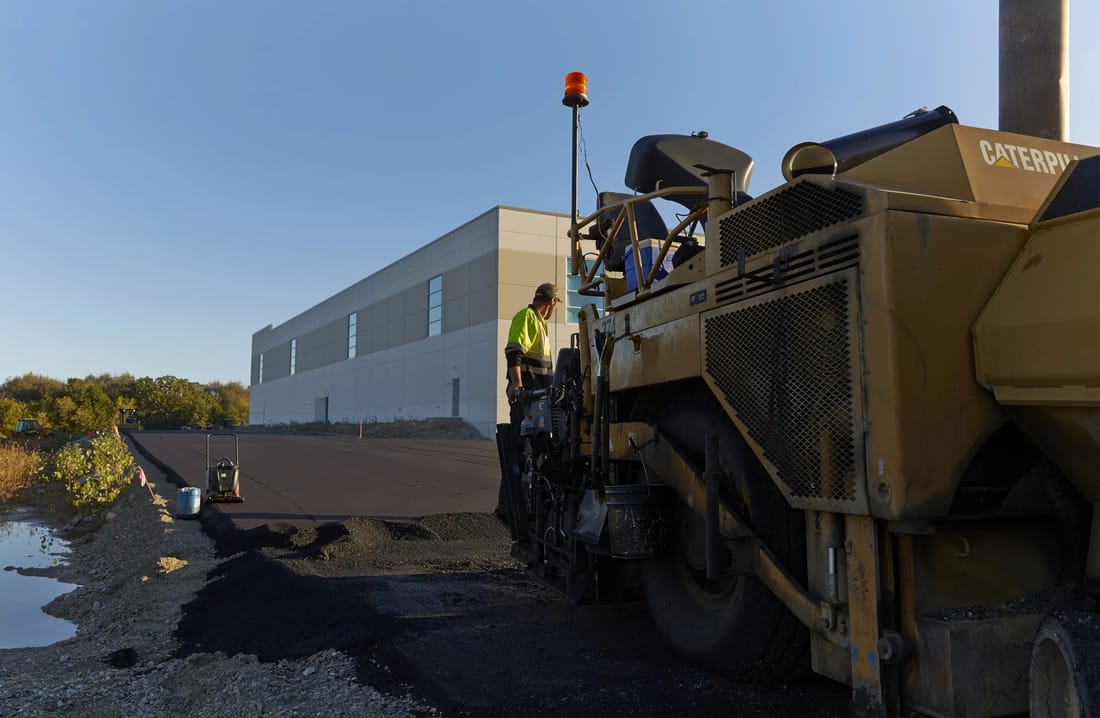
We then fine grade the base, checking slopes with lasers and straightedges, and address drainage tie-ins. Asphalt is placed while the base is clean and dry. We install any binder courses first, then the surface course, compacting each with steel drum and pneumatic rollers. Joints at existing pavement, concrete aprons, and roadways are carefully sawcut or milled so transitions are smooth and do not create trip edges or bumps.
To finish, we stripe parking stalls, accessible spaces, fire lanes, and directional arrows based on your site layout and local requirements. If needed, we add wheel stops, signage posts, and bollards around sensitive areas like transformers and gas meters. We then walk the site with you to confirm that access points, traffic flow, and markings match your day to day operations.
Costs, Timelines, and Permit Considerations in Atlanta
The cost of commercial gravel to asphalt conversions in Atlanta varies based on several specific site factors. The largest cost drivers are the amount of base repair or undercutting required, overall square footage, asphalt thickness, and drainage improvements. Properties that have been gravel for years often have rutted or saturated areas that must be corrected, but fixing those issues during conversion is what protects your investment.
As a general guideline, a straightforward small lot with adequate existing stone and good drainage will cost less per square foot than a large, uneven yard with poor soils and significant grade changes. Precision Asphalt Atlanta provides itemized proposals so you can see exactly what is included, from undercut quantities to striping and signage.
Project timelines depend on weather, property size, and phasing. Many small to mid-size conversions can be completed in 3 to 7 working days, not counting striping cure times. Larger industrial yards may take longer, especially if we must maintain constant truck access. We plan work around your peak hours, school schedules, or weekend traffic demands to limit business interruption.
Inside Atlanta city limits or in certain jurisdictions of Fulton, DeKalb, or Cobb counties, permits, stormwater reviews, or zoning approvals may be required when changing a gravel lot to asphalt because you are increasing impervious surface. We help you understand these requirements, coordinate with your engineer when needed, and schedule work so inspections fit smoothly into your project calendar.
Why Atlanta Businesses Choose Precision Asphalt Atlanta
When you convert gravel to asphalt, you are changing how people experience your property every day. A clean, well-drained asphalt lot signals organization and care, reduces dust in nearby buildings, and is easier to keep accessible for all visitors. Precision Asphalt Atlanta has completed commercial gravel to asphalt projects for a wide range of local clients, from small family-owned shops to multi-tenant complexes.
We approach each site as if we will be maintaining it for the next decade, which guides our recommendations on thickness, drainage, and layout. Our crews are familiar with Atlanta traffic patterns and weather, which means we time asphalt placement to avoid sudden pop-up storms as much as possible and stage equipment to avoid blocking key intersections or fire lanes.
If you are considering a commercial gravel to asphalt conversion, we are happy to walk your site, discuss how your property is used throughout the week, and propose a phased plan that fits both your operations and your budget. Clear communication, realistic scheduling, and attention to the details that affect long-term performance are what set Precision Asphalt Atlanta apart for commercial clients across the metro area.