Home › Gravel-to-Asphalt Conversions
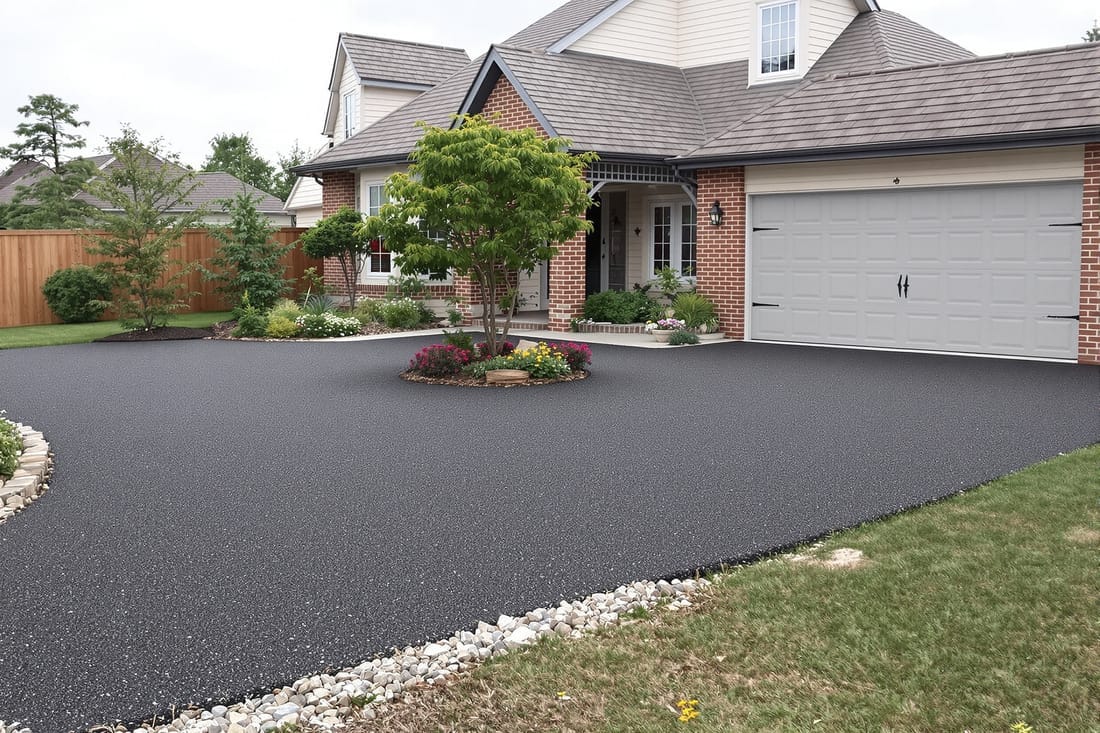
Tired of dust, ruts, and mud from a gravel drive. Our gravel to asphalt driveway conversions in Atlanta, GA provide a clean, solid surface that is easy to maintain. Precision Asphalt Atlanta regrades your existing drive, installs a proper base where needed, and paves a durable asphalt driveway that improves access and curb appeal immediately.
Precision Asphalt Atlanta provides professional gravel to asphalt driveway throughout Atlanta, GA, Georgia and the surrounding area. Our licensed, insured crew delivers safe, clean, on-time work with a free estimate before anything begins. Call (470) 683-6069 or request your free quote.
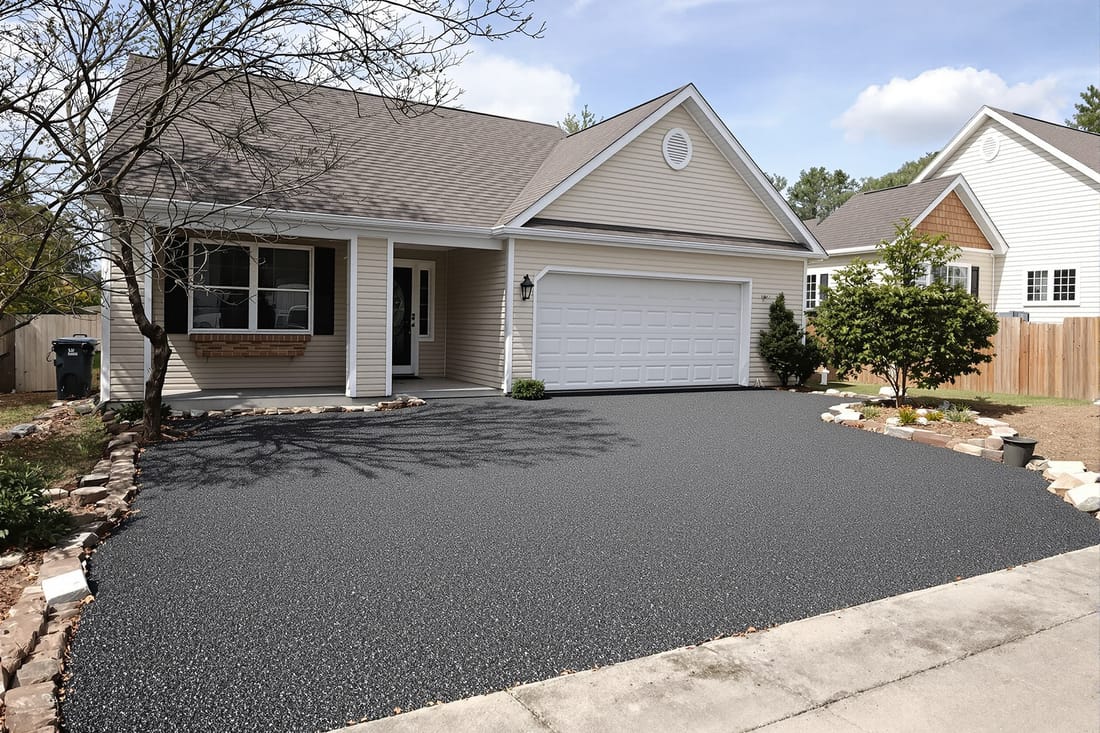
Turn Your Gravel Driveway Into a Clean, Solid Asphalt Surface
If you are tired of ruts, dust, and loose stone, a gravel to asphalt driveway conversion can completely change how you use your property. Precision Asphalt Atlanta specializes in taking worn gravel driveways in and around Atlanta, GA and rebuilding them into smooth, long lasting asphalt surfaces that stand up to our humid summers, sudden storms, and occasional freezes.
We work on everything from small intown driveways in neighborhoods like East Atlanta and Kirkwood to long, winding gravel drives on properties in South Fulton, Douglas, and Paulding. Instead of throwing more rock at the same problems every year, we rebuild the base correctly, install hot mix asphalt at the right thickness, and handle drainage so the driveway holds up over time.
Our crews are local and understand red Georgia clay, tree root issues, and how older homes often have poorly compacted fill around additions and carports. When you call Precision Asphalt Atlanta for a gravel to asphalt driveway, we are not just topping what you have. We evaluate what is under the gravel and fix the structure so the asphalt has a solid, even foundation.
How a Gravel-to-Asphalt Conversion Actually Works
Turning a gravel driveway into asphalt is more than simply paving over the stone. A proper conversion follows a series of steps to make sure the new driveway does not crack, sink, or rut.
1. Site evaluation and measurements. We start by walking the driveway with you. We look at existing ruts, soft spots, standing water, and how the driveway ties into streets, garages, and walkways. We measure length, width, slope, and check where water currently runs during heavy Atlanta rain.
2. Strip, reshape, and compact the base. If your existing gravel is clean and deep, we may be able to regrade and reuse much of it. If the gravel is thin or full of mud, roots, or organic material, we strip it and add new graded aggregate base stone. Using grading equipment and compactors, we reshape the driveway, build proper crown or cross slope, and compact the base in layers so it is firm underfoot and under the roller.
3. Address soft clay and problem areas. In many Atlanta yards, especially in older neighborhoods west and south of downtown, we hit pockets of red clay that pump when wet. These areas can require undercutting (removing bad soil), adding stone, or in some cases using a geotextile fabric to separate clay from the stone base. This step is what keeps future potholes from forming.
4. Fine grading and edge preparation. We smooth the base so there are no high spots that will make thin asphalt or low spots that collect water. At edges that meet grass or landscaping, we set the base slightly proud so asphalt lands flush yet has support. Where the driveway meets a city street, we often cut a clean edge in the existing asphalt so the tie-in looks seamless.
5. Hot mix asphalt installation. Once the base is ready, we bring in hot mix asphalt from a local Atlanta plant, not cold patch. For residential driveways, we typically install 2 to 3 inches of compacted asphalt in one or two lifts, depending on use. Heavier use or RV parking might call for thicker sections. We spread the mix with a paver or carefully by hand in tight areas, then compact it with vibratory rollers and plate compactors around edges.
6. Final rolling and clean up. We do multiple passes with the roller to lock aggregate together and bring up a tight, smooth finish. Joints at the street, sidewalks, and garage slabs are checked for trip-free transitions. At the end, we clean the site, sweep excess stone from adjacent areas, and leave you with clear instructions on curing and use.
Design Choices for Your New Asphalt Driveway
A gravel to asphalt driveway conversion is also a chance to adjust the layout and look of your drive. Precision Asphalt Atlanta can help you update more than just the surface.
Width and layout. Many older gravel drives in Atlanta, especially around 1950s ranch homes and early 1900s bungalows, were built for smaller cars and lighter traffic. When converting to asphalt, we can widen narrow sections for easier passing, straighten tight curves, or add a turnaround so you do not have to back into busy streets like Moreland Avenue or Roswell Road.
Thickness and mix type. For typical residential use, a 2 inch compacted asphalt surface over a solid stone base works well. If you have delivery trucks, boat trailers, or work vehicles, we may recommend a thicker section or a binder plus surface course system. We use local GDOT approved mixes suited to our climate, and we will explain the difference in plain terms before you decide.
Edges and transitions. You can choose simple tapered edges that meet the lawn, or we can coordinate with a concrete contractor if you want added concrete curbing, ribbons, or aprons. At garage approaches and carports, we pay attention to slope so you do not bottom out or create a lip that catches snow shovels or creepers when you work on vehicles.
Drainage improvements. Conversion is the ideal time to correct water problems. We can add shallow swales along the drive, adjust the crown, or install catch basins and drain lines if you have water running toward a basement, crawlspace, or slab. In hilly parts of Atlanta like Brookhaven or Vinings, good drainage design is often the difference between a long lasting driveway and one that unravels in just a few years.
Sealcoating and striping options. Once the asphalt has cured (usually the first season), we can return to apply a commercial quality sealer that helps slow oxidation under Atlanta sun. For small commercial properties or multi family homes, we can also stripe parking spaces, add wheel stops, and mark accessible spots to keep the layout organized and compliant.
What Drives Cost and How We Help You Control It
Customers often ask why one gravel to asphalt driveway quote is higher than another. With Precision Asphalt Atlanta, we break the price down so you understand exactly what you are paying for.
Driveway size and access. Length, width, and thickness of asphalt are obvious cost drivers, though access matters too. Long, narrow drives through trees may require smaller equipment and more hand work. Tight intown lots might need extra time for traffic control or protecting nearby structures and fences.
Base repair needs. The biggest difference between bids is usually the amount of base work. If your gravel is deep and drains well, we can often reuse it and keep costs down. If we find saturated clay, buried debris, or old construction waste under the gravel (common behind older Atlanta homes), we need to remove that material and rebuild the base with stone. It is more work up front, but it prevents you from paying again later when the asphalt fails.
Drainage and extras. Adding culverts, catch basins, or significant regrading adds cost, but these improvements help protect both your new driveway and your home foundation. Extras like widening, turnouts, and parking pads are optional and priced separately so you can choose what fits your budget.
Materials and timing. Asphalt is a petroleum product, so prices can shift with fuel and material costs. Scheduling work during normal working hours and outside peak emergency repair periods can help control price. We also look at combining smaller projects that are close to each other so we can reduce travel and setup time, which we often pass on as savings.
Transparent quoting. Our written proposals spell out prep work, base repairs, asphalt thickness, and any drainage or layout changes. We avoid vague language like "pave as is" that can hide shortcuts. If a lower quote leaves out key steps that protect you, we will point that out so you can compare apples to apples.
What Atlanta Homeowners Should Know Before Converting Gravel to Asphalt
A successful gravel to asphalt driveway project depends on good planning and realistic expectations. Precision Asphalt Atlanta walks you through what to expect, but there are a few things every Atlanta homeowner should know in advance.
Permits and HOA rules. Within the City of Atlanta or inside certain metro jurisdictions, changes to driveway layout, curb cuts, or drainage may require a permit. Some HOAs also regulate driveway materials and width. We can help you understand what your city or county typically looks for, though you are usually responsible for formal HOA approval.
Trees and roots. Many Atlanta driveways weave around mature oaks, pines, and magnolias. Large surface roots can create bumps in new asphalt or become exposed when we excavate. In root heavy areas, we may recommend slight alignment shifts or root pruning coordinated with an arborist. It is better to address this before paving than to have the new surface heave a few years later.
Curing and use. You can usually walk on new asphalt soon after rolling, and in most cases you can drive on it within 24 to 48 hours, depending on weather. For the first few weeks, we recommend avoiding parking heavy vehicles in the same spot and being cautious with tight steering on hot days to prevent scuffing. We will give you simple written care guidelines specific to the season when we pave.
Weather windows. Atlanta weather can change quickly, but asphalt must be placed and compacted at the right temperature. During very cold or rainy stretches, we may reschedule to protect your investment. We would rather delay a day than rush a job and leave you with cold joints or poor compaction.
Choosing a contractor. For gravel to asphalt driveway work, look for a company that talks as much about base preparation and drainage as they do about the blacktop itself. Ask to see recent projects in your part of metro Atlanta, and ask specific questions about how they handle soft clay, tree roots, and tie-ins to streets or garages. With Precision Asphalt Atlanta, you get local experience, straightforward explanations, and a crew that treats your property with the same care we bring to larger commercial work.