Home › Parking Lot Paving & Installation
Give your customers and tenants a safe, professional place to park with quality asphalt parking lot paving in Atlanta, GA. Precision Asphalt Atlanta designs and builds new lots with proper drainage, base depth, and asphalt thickness. We handle everything from layout and curbing to striping so your commercial parking lot is ready for traffic and looks sharp from day one.
Precision Asphalt Atlanta provides professional asphalt parking lot paving throughout Atlanta, GA, Georgia and the surrounding area. Our licensed, insured crew delivers safe, clean, on-time work with a free estimate before anything begins. Call (470) 683-6069 or request your free quote.
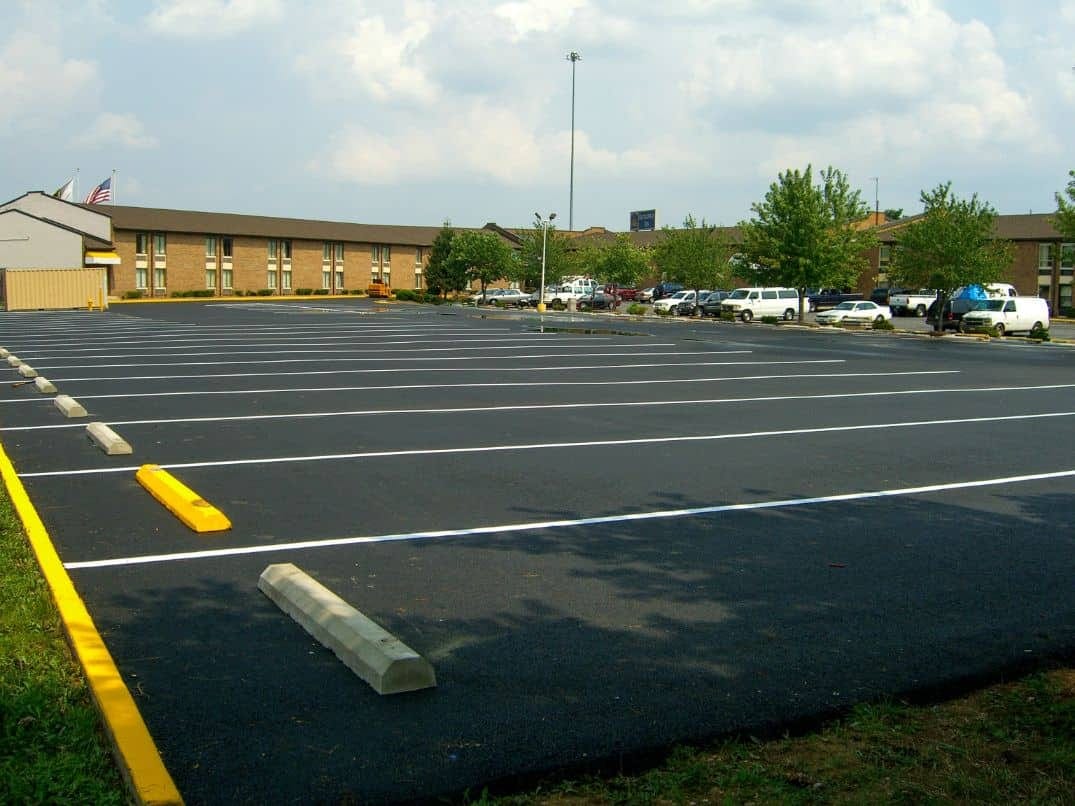
Asphalt parking lot paving in Atlanta that is built for heavy use
When you hire Precision Asphalt Atlanta for asphalt parking lot paving, you are getting a crew that works in this climate every day and knows how Metro Atlanta traffic beats up a lot. We design and build parking lots around three things: the weight of the vehicles using it, how water moves across your site, and how Georgia heat breaks down cheaper mixes.
On a typical small to mid size lot, we start by looking at access points, drainage patterns, and where trucks or delivery vehicles actually drive and turn. A restaurant lot in Midtown needs different pavement thickness than a self storage site with moving trucks or a church on the edge of Atlanta that gets charter buses on Sundays. We adjust section thickness, base depth, and mix type for each use instead of using a one size layout.
Our asphalt parking lot paving work always includes attention to drainage. Atlanta gets fast thunderstorms that can dump water in a hurry. If the lot does not have the right slope or if there are low spots around catch basins, water will sit, soften the base, and start the familiar alligator cracking. We set grades to push water to drains or edges, then we test that drainage with levels before any asphalt is put down.
From the first site walk to the final striping, our goal is to leave you with a smooth surface that handles daily traffic, stands up to August heat, and still looks presentable a decade down the road with basic maintenance.
How we build a long lasting parking lot, step by step
A durable asphalt parking lot in Atlanta is mostly about what you do before the blacktop goes down. Here is how Precision Asphalt Atlanta typically handles a new parking lot paving and installation project.
1. Site evaluation and layout
We walk the property with you, look at existing grades, existing pavement (if any), and where customers actually enter, park, and walk. For tear outs, we note soft spots, rutting, or areas that are always wet, since those are signs of base failure that must be corrected. We talk through drive lanes, ADA access, loading zones, and dumpster pads so the design fits real use instead of just a drawing.
2. Demolition and grading
If there is old pavement, we mill or remove it and haul it to be recycled for future base material. We then shape and compact the subgrade with rollers. In the Atlanta area, we often see red clay and loose fill from previous construction. Clay that holds water gets undercut or stabilized so it does not pump under traffic later.
3. Base installation
We install a graded aggregate base (GAB) or crushed stone base, then compact it in several passes. For standard car and light truck traffic, base is usually 4 to 6 inches. Where garbage trucks, box trucks, or heavy equipment turn, we may go 8 inches or more. Skipping base thickness is how a lot of cheaper bids save money, but it is also why some lots start rutting within a few years.
4. Asphalt paving
We place hot mix asphalt in one or more lifts, depending on traffic needs. In many Atlanta commercial lots, we use a 2 to 3 inch surface course over a 2 to 3 inch binder course. The binder is coarser and handles load, the surface mix is finer, smoother, and sheds water better. We keep the mix at proper temperature from plant to site, use a paver for consistent mat, then compact with steel drum and pneumatic rollers until we hit target density.
5. Finishing, striping, and clean up
Once the asphalt cools, we handle striping, ADA markings, wheel stops, signage, and if needed, bollard setting around storefronts or gas meters. We tape off entrances until the pavement has cooled enough for traffic. Finally, we walk the lot with you so you know where the joints and key areas are and what to watch for over the first year.
Material choices and design options for your Atlanta parking lot
There is no single mix or thickness that fits every asphalt parking lot paving project in Atlanta. At Precision Asphalt Atlanta, we adjust materials and layout so your lot matches the way your property is actually used.
Mix types
For general commercial parking, we typically recommend a GDOT approved hot mix surface course that balances durability and smoothness. For heavier uses, such as distribution centers or lots that get daily semi traffic, we might add a heavier binder course underneath or specify a mix that resists deformation when the temperature is high and trucks are turning slowly.
Thickness and section design
Light duty areas for passenger cars can often use a thinner asphalt section over a solid base. Drive aisles, delivery lanes, and approach aprons at loading docks are designed with more asphalt and base thickness. Instead of paving everything the same, we can vary thickness by area so you are spending money where it matters most.
Drainage and slope
A good parking lot in this region has just enough slope for water to move but not so much that carts roll away or customers slip. We target slopes that move water to catch basins or swales without visible ponding. In certain older Atlanta intown sites, available drainage tie in points are high, so we sometimes use shallow trench drains or additional inlets to collect water without reshaping the whole property.
Edges, joints, and connection points
How your new lot ties into existing streets, alleys, and sidewalks directly affects how long the edges last. We saw cut and match existing pavement when possible, rather than simply feathering in. Around dumpsters or compactor pads, we often install a thicker section and may recommend a small concrete reinforcement pad so the asphalt immediately around it does not break under repeated point loading.
Maintenance planning
As part of installation, we can put together a simple maintenance schedule that covers when to consider sealcoating, what to do about the first small cracks, and how to handle oil drips in high turnover parking stalls. A little preventive maintenance in the first 5 years usually doubles the service life in Atlanta conditions.
What affects cost and how to avoid expensive surprises
Most property owners want to understand why one asphalt parking lot paving quote is so much lower than another. In our market, big price differences usually come from a few specific places. Precision Asphalt Atlanta explains these early so you can compare bids on equal terms.
Existing conditions
If your lot is a fresh build on firm ground, cost is simpler. If it is a replacement of an older lot with years of patching and potholes, we look closely at base failures. Spots that move or pump under traffic usually mean saturated or unstable subgrade. Digging out and rebuilding those areas costs more up front but prevents you from paying for the same repairs again in a couple of years.
Thickness of base and asphalt
These are the two line items where low bids often cut corners. If one proposal shows 2 inches of asphalt over 3 inches of base and another shows 3 inches over 6 inches, that is a major structural difference. In Atlanta clay soils and with our temperature swings, thin sections simply do not last under regular traffic. We clearly list proposed thicknesses in writing so you can see exactly what you are paying for.
Drainage and sitework
Sometimes a lot looks straightforward until you see where water actually goes during a storm. If your property has no real drainage infrastructure or relies on a ditch or shared system, we may need to add inlets, adjust grades, or coordinate with the city or county. This can add to cost, but it avoids the cycle of repeated patching in the same wet corners.
Access, phasing, and business operations
Keeping a storefront or medical office open while replacing the parking lot takes planning. Phased work, night or weekend paving, and temporary access routes all affect price. We regularly schedule work for Atlanta retail centers in halves or thirds so tenants can stay open. Laying this out in advance minimizes lost revenue and keeps the project moving.
Material prices and timing
Asphalt is tied to oil prices, and those shift. If you are planning a larger project, locking in the scope and schedule can help control cost. When possible, we coordinate with other projects near your site so plant and trucking logistics are efficient, which also helps keep your price down.
What Atlanta property owners should know before hiring a paving contractor
Before you sign with any asphalt parking lot paving contractor in Atlanta, there are a few specific items you should check. These points have come directly from issues we have been called in to fix after the fact.
Verify the section, not just the price
Ask for the proposed pavement section in writing: base type and depth, asphalt layers and thicknesses, and area of any heavy duty sections. If a proposal only lists a lump sum to "install new asphalt parking lot" without these details, you cannot tell what you are actually getting.
Ask about local experience
Atlanta has a mix of soil conditions, from rockier ground on the north side to soft fill and old industrial sites on the south and west. A contractor who works here regularly should be able to talk specifically about how they deal with red clay, high plasticity soils, and older lots that have been overlaid several times.
Check drainage planning
Have the contractor explain where stormwater will go after the new lot is installed. Ask how they handle low spots around catch basins and how they check grade before paving. If the answer is vague, that is a warning sign.
Understand the schedule and traffic control
Reputable crews will give you a basic sequence for demolition, base work, paving, and striping, plus how long each phase needs to cure or cool before typical car and truck traffic. For most standard lots, we can reopen to cars within 24 hours after paving, although heavy trucks might be held slightly longer.
Review warranty and maintenance
A real warranty should cover workmanship issues like raveling, premature cracking along joints, or areas that settle where the base was rebuilt. At Precision Asphalt Atlanta, we also explain which issues are maintenance related, such as sealing small cracks before winter and keeping drains clear.
If you want straightforward guidance for your property, we can meet on site, walk the lot with you, point out any concerns, and give you a written scope and price that line up with how your parking lot will actually be used.