Home › Asphalt Resurfacing & Overlays
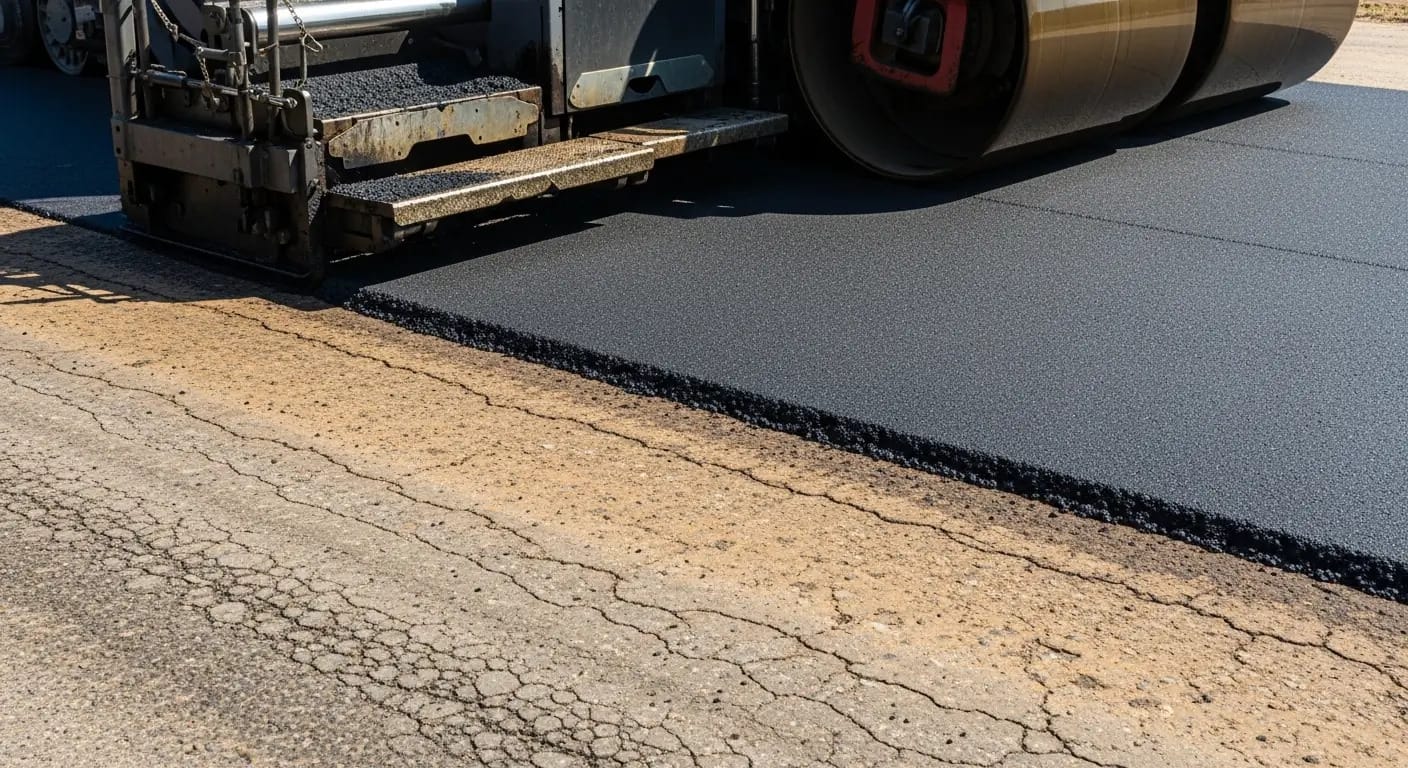
Refresh tired, worn pavement with asphalt resurfacing in Atlanta, GA. Our team installs asphalt overlays on driveways that still have a solid base but need a new surface. Precision Asphalt Atlanta grinds high spots, repairs problem areas, then applies a uniform asphalt layer that looks new and extends the life of your pavement at a lower cost than full replacement.
Precision Asphalt Atlanta provides professional asphalt resurfacing throughout Atlanta, GA, Georgia and the surrounding area. Our licensed, insured crew delivers safe, clean, on-time work with a free estimate before anything begins. Call (470) 683-6069 or request your free quote.
Asphalt Resurfacing & Overlays in Atlanta, GA
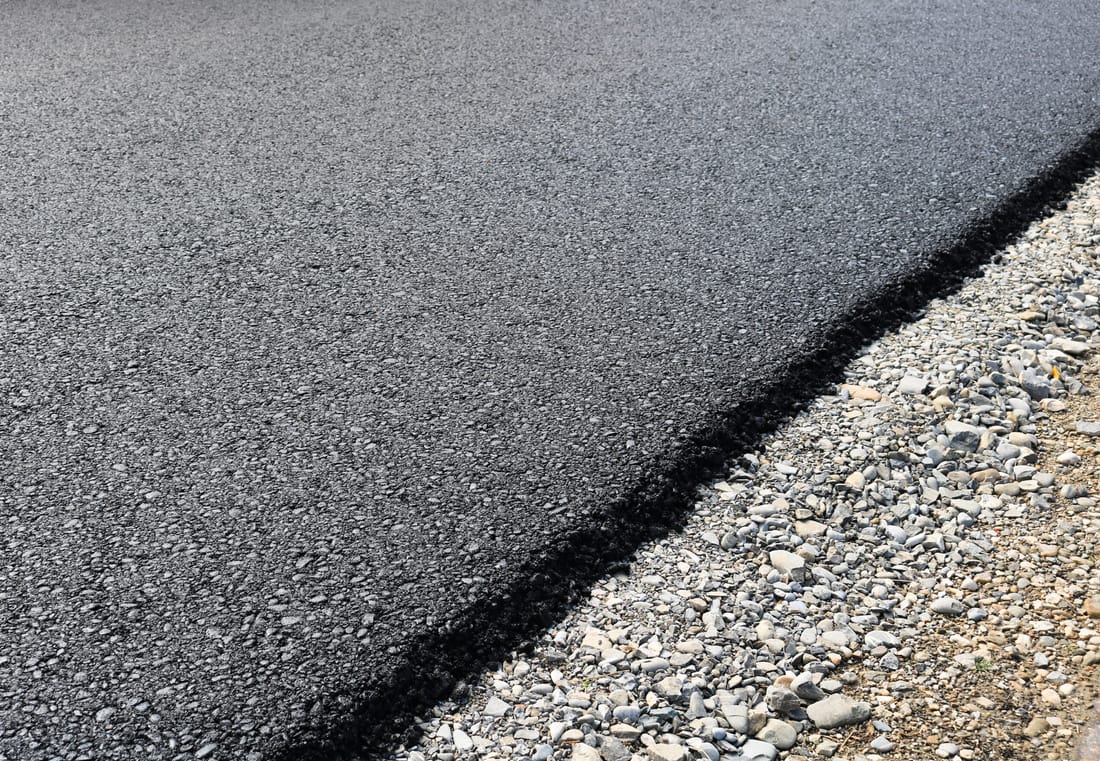
When asphalt in Atlanta starts cracking, raveling, or holding water but the base is still sound, resurfacing is often the most cost-effective fix. Instead of tearing everything out, Precision Asphalt Atlanta installs a new asphalt layer over your existing pavement, restoring a smooth driving surface and extending the life of your lot, driveway, or private street by 8 to 15 years.
In our climate, resurfacing must account for high summer heat, sudden thunderstorms, and occasional winter freeze events. We evaluate how your pavement has handled those stresses over time before recommending an overlay. If the base is failing or water has been trapped under the surface, we will tell you honestly that resurfacing is not the right choice and explain alternatives.
Our focus is on long-term performance, not just appearance. Every resurfacing project we take on in metro Atlanta is engineered for local traffic loads, drainage patterns, and the specific wear we see from delivery trucks, rideshare traffic, and heavy SUV use common in this area.
How We Evaluate Whether Asphalt Resurfacing Is Right For You
Before we quote any asphalt resurfacing work, Precision Asphalt Atlanta performs a structured site assessment. This is not a quick drive-by. We walk the pavement, record distress types, and test key areas.
We look for:
• Crack patterns: Alligator cracking and widespread base movement indicate structural failure that resurfacing alone cannot fix. Linear or block cracking may be suitable for repair then overlay.
• Surface raveling and oxidation: Gray, rough, and shedding surfaces are typical in Atlanta after 8 to 12 years. These are often excellent candidates for a mill and overlay.
• Drainage behavior: We check where water sits after rain, look for ponding around catch basins, and examine gutter lines. Poor drainage must be corrected before or during resurfacing or the new surface will deteriorate quickly.
• Edges and transitions: We inspect the tie-in points to sidewalks, curb lines, dock areas, and existing concrete. These locations determine how much milling is needed and where we create smooth transitions.
If needed, we core sample the pavement or perform test cuts to examine layer thickness, base material, and moisture. This helps avoid putting a new asphalt layer over an unstable base, which would cause reflective cracking and premature failure.
Step-by-Step Asphalt Overlay Process
Once resurfacing is confirmed as the right solution, Precision Asphalt Atlanta follows a clear sequence so the new surface bonds properly and drains correctly.
1. Project layout and traffic plan
We mark repair areas, manholes, and transitions, then develop a routing plan so residents, customers, or employees can still access the property safely. For busy Atlanta retail centers or medical offices, we often phase the job over nights or weekends.
2. Structural repairs and patching
We cut out failed areas to stable base, repair soft spots, and compact new base stone where needed. This prevents weak areas from telegraphing through the new asphalt.
3. Milling and profile correction
We typically mill 1 to 2 inches at tie-in points, gutters, and around drains, then fine-tune slopes so water sheds correctly. On older lots with heaving around tree roots or rutting in wheel paths, we use variable-depth milling to smooth the profile.
4. Cleaning and tack coat
We power sweep, blow, and sometimes pressure wash the surface to remove dust and loose aggregate. Then we apply a tack coat, a thin sprayed asphalt emulsion, that helps the new overlay bond tightly to the old surface.
5. Installing the overlay
Using hot-mix asphalt suitable for Atlanta traffic and temperature ranges, we place a 1.5 to 2 inch surface course in one or two passes, depending on the design. Our operators use automatic grade controls on the paver to maintain consistent thickness and cross-slope.
6. Compaction and detail work
Steel drum and pneumatic rollers compact the mat while temperature is in the optimal range. We pay close attention to joints, edges, and around utility castings, since these are the first places that usually fail on poorly built overlays.
7. Striping and final walkthrough
After the asphalt cools, we restripe stalls, fire lanes, ADA spaces, and directional markings according to current codes. Then we walk the project with you to verify drainage, transitions, and layout meet expectations.
Material Options and Design Choices for Overlays
An overlay is not one-size-fits-all. Precision Asphalt Atlanta helps you select the right mix and thickness for how your pavement is actually used.
Mix types: For most commercial parking lots in Atlanta, we use a dense-graded surface mix that balances durability, smoothness, and cost. In steeper areas or drive lanes that see frequent braking, we may recommend a slightly coarser surface to improve skid resistance during heavy summer storms.
Thickness: Residential driveways and light-use lots may only need a 1.5 inch overlay. For truck courts, dumpster pads, or drive lanes that see heavy box truck and delivery traffic, we often design 2 inch or thicker overlays or reinforce those specific areas.
Reinforcement fabrics and grids: Where reflective cracking is likely, such as over concrete or heavily cracked existing asphalt, we can install interlayer fabrics or grids before the overlay. These help slow cracks from reflecting through, which is especially valuable at commercial entrances that see constant turning movements.
Joint and seam strategy: How and where we place seams affects long-term performance. We plan joint locations so wheel paths do not ride directly on a cold joint. This detail is often overlooked but matters in Atlanta where daily temperature swings can stress poorly placed joints.
Color and markings: Although standard asphalt is dark, we can incorporate high-contrast striping layouts and crosswalks that improve visibility during evening storms and dusk rush-hour conditions.
What Drives the Cost of Asphalt Resurfacing in Atlanta
Homeowners and property managers often ask why resurfacing prices vary. Precision Asphalt Atlanta is transparent about the factors that influence your investment.
Surface preparation level: The amount of milling, patching, and crack repair significantly affects cost. A relatively smooth, structurally sound lot that only needs minimal patching will be less expensive than a surface with extensive base failures and drainage corrections.
Overlay thickness and area size: More asphalt means more material and trucking. Small driveways have higher per-square-foot costs because of setup and mobilization, while larger lots benefit from economies of scale.
Access and phasing: Tight in-town Atlanta sites with limited access, such as Buckhead infill properties or midtown mixed-use garages, can require smaller equipment, more handwork, and additional traffic control. Night or weekend schedules, sometimes necessary for busy retail centers, also influence labor cost.
Striping complexity and compliance upgrades: Resurfacing is often a good time to update ADA layouts, fire lane markings, and directional signage. Reconfiguring layouts or adding thermoplastic markings will change the total project price.
Haul distances and plant choice: We typically source mix from plants that minimize haul time to your site so the asphalt arrives at the right temperature. However, project timing, traffic patterns on I-285 and I-85, and required mix types can impact transportation costs.
Common Overlay Problems and How We Prevent Them
Poorly executed asphalt resurfacing can fail within a few years. Precision Asphalt Atlanta is proactive about avoiding the issues we frequently see around the city.
Reflective cracking: If existing cracks are not properly cleaned, treated, and bridged, they will show back through the new surface. We route and seal significant cracks, use full-depth repairs where needed, and apply interlayer systems in high-risk locations.
Standing water and birdbaths: In Atlanta, short but intense storms quickly reveal bad drainage. We correct slopes with milling and strategic wedge leveling before placing the finish course so the new surface sheds water instead of holding it.
Poor bond between layers: Skipping or underapplying tack coat is a common shortcut that leads to delamination and early raveling. We apply a uniform tack coat and verify coverage visually and, when conditions warrant, with application rate checks.
Rutting and shoving at stops and turns: At entrances, stop bars, and loading areas, we specify mixes and compaction patterns that resist rutting. We may also upgrade the structural section in these zones even if the rest of the lot receives a standard overlay.
Premature surface aging: Dark asphalt in Atlanta takes significant UV and heat. Proper compaction, the right mix, good drainage, and timely sealcoating after the overlay help prevent early oxidation and keep the surface from going gray too quickly.
What Atlanta Property Owners Should Know Before Hiring
Choosing the right contractor matters just as much as choosing resurfacing over full replacement. Precision Asphalt Atlanta suggests you consider a few specific points before you sign any proposal.
Ask for a pavement evaluation, not just a price. A responsible contractor will explain why resurfacing is appropriate and point out any areas that still need full-depth repair. Be wary of proposals that do not address drainage, transitions, or existing failures.
Clarify thicknesses and materials in writing. Your contract should list overlay thickness, mix type, areas to be milled, and how many square yards are included. This protects you from thin, underbuilt overlays that look fine on day one but fail early.
Discuss schedule and access plan. In metro Atlanta, coordinating around business hours, school schedules, and HOA rules is critical. Make sure there is a clear traffic control plan so tenants, customers, and residents are not surprised.
Confirm warranty and maintenance recommendations. A solid warranty should specify what is covered and for how long. Also ask when to schedule the first sealcoat and what routine maintenance will keep your new surface performing at its best.
If you are considering asphalt resurfacing for a commercial lot, HOA streets, or a residential driveway anywhere in the Atlanta, GA area, Precision Asphalt Atlanta can provide a detailed evaluation and a resurfacing plan tailored to your property, not just a one-page price.