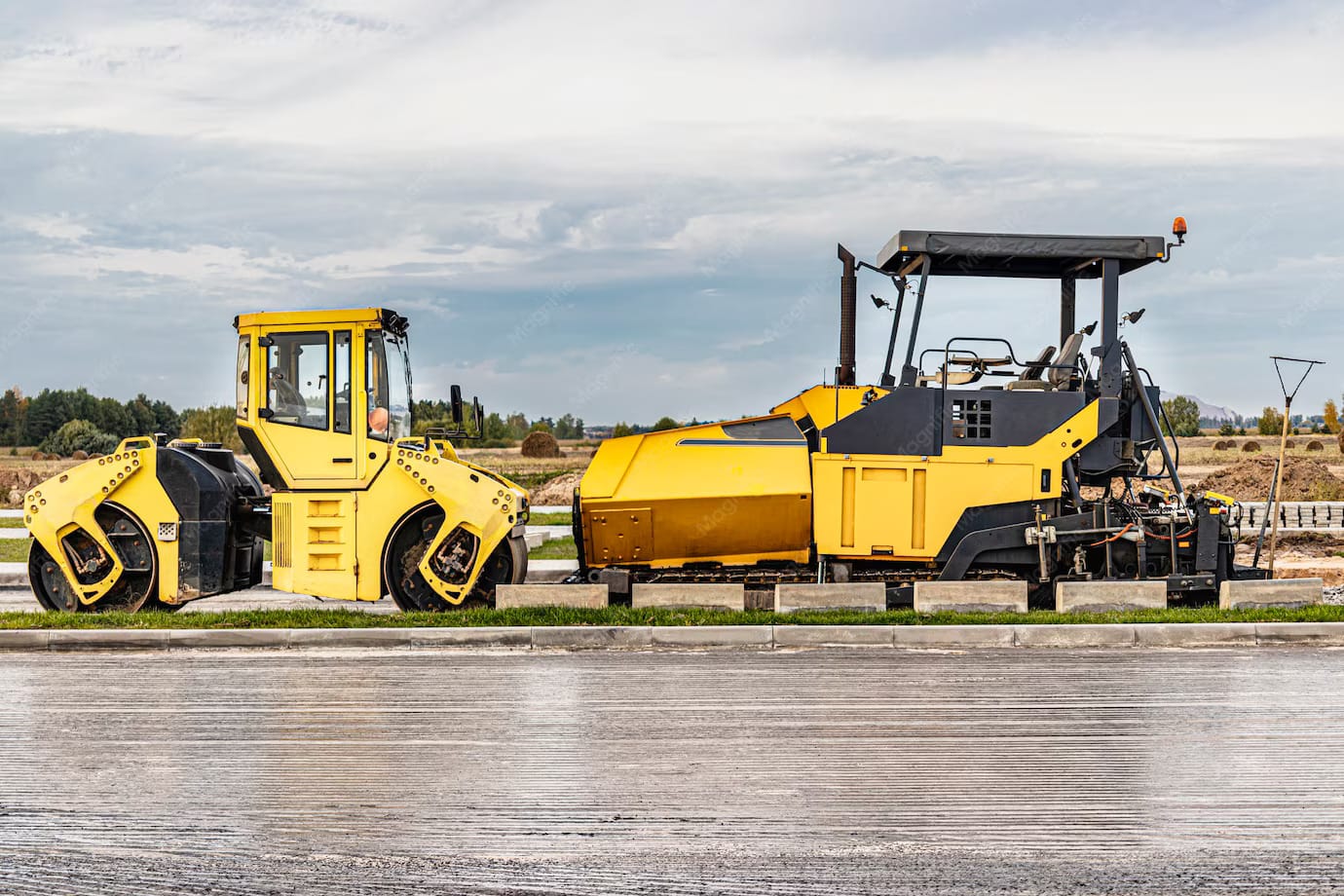
Home › Industrial and Heavy-Duty Asphalt Paving
Handle heavy loads and constant traffic with industrial asphalt paving in Atlanta, GA. Precision Asphalt Atlanta designs pavements for truck yards, loading docks, and service lanes with thicker sections and quality base materials. Our heavy duty asphalt solutions help minimize rutting and failures in demanding industrial environments.
Precision Asphalt Atlanta provides professional industrial asphalt paving throughout Atlanta, GA, Georgia and the surrounding area. Our licensed, insured crew delivers safe, clean, on-time work with a free estimate before anything begins. Call (470) 683-6069 or request your free quote.
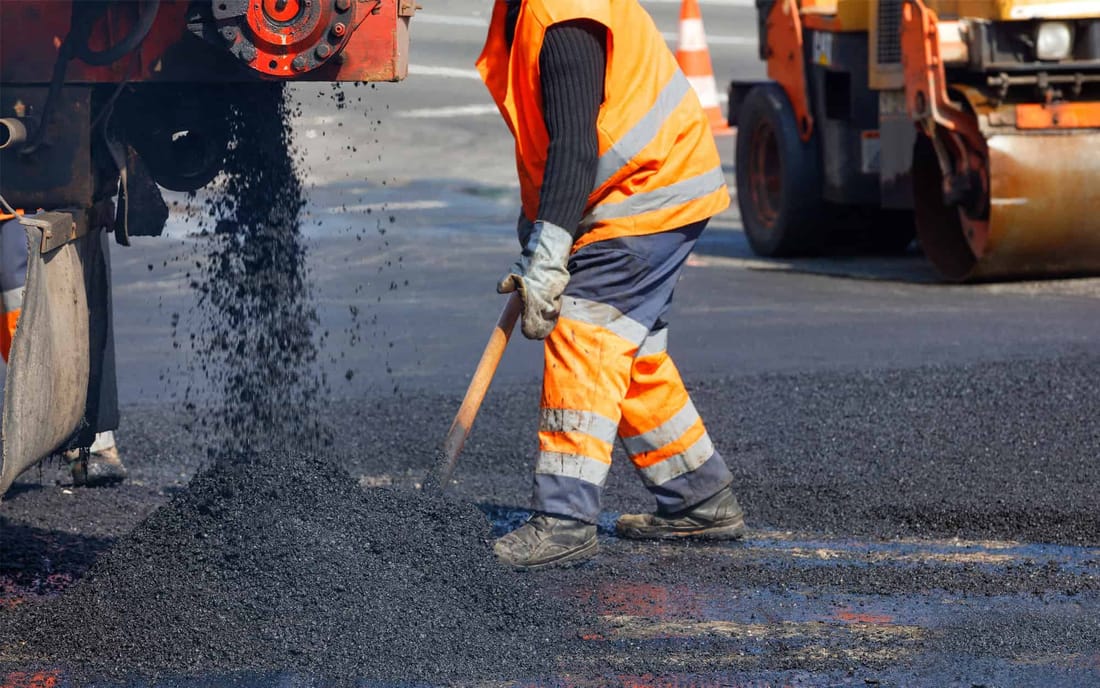
Industrial-Grade Asphalt Paving for Atlanta Facilities
If you operate a warehouse, trucking terminal, manufacturing plant, or distribution center in Atlanta, your pavement has to handle constant punishment. Heavy axle loads, tight turning forklifts, and standing equipment can destroy a light-duty parking lot in a few years. Precision Asphalt Atlanta focuses on true industrial asphalt paving that is engineered around your specific traffic and load conditions, not just a thicker version of a retail parking lot.
Our team starts every industrial asphalt paving project with a site visit to see how your operation actually works. We look at truck entry points, loading dock approaches, forklift paths, container storage areas, fuel or maintenance zones, and any spots where vehicles tend to queue or turn sharply. This real-world use pattern is what drives our pavement design, thickness, and material selection.
We work frequently in and around Hartsfield-Jackson corridors, I-75, I-85, I-285, and the warehouse clusters on the south and west sides of Atlanta. That experience means we understand the soil conditions, drainage issues, and heavy traffic patterns that affect industrial properties throughout metro Atlanta and North Georgia.
How Industrial Asphalt Paving Is Designed and Engineered
Industrial asphalt paving succeeds or fails in the design stage. At Precision Asphalt Atlanta, we break that design process into several deliberate steps:
1. Subgrade investigation: We evaluate the existing base and subgrade through visual inspection, probing, and, when needed, test pits or compaction tests. In parts of Atlanta with clay-heavy soils, we check moisture content and stability because weak subgrade is the fastest way to get ruts and alligator cracking under heavy trucks.
2. Load and traffic analysis: We ask detailed questions about your heaviest vehicles, axle loads, daily traffic counts, and turning movements. For example, a facility that handles loaded 18-wheelers backing to docks all day needs a much different design than a plant with straight-through box truck traffic a few times a day.
3. Pavement section design: Based on subgrade strength and load data, we design a pavement section that typically includes a compacted aggregate base and multiple asphalt lifts with different mixes. For very heavy-duty zones, we may recommend a thicker base course, added geotextile separation fabric, or a full-depth asphalt design.
4. Mix selection: Industrial areas often use a stiffer, high-stability mix, with a higher stone content and modified binders where appropriate. Around dock approaches and tight turning radii, we choose mixes that resist shoving and rutting even under summer heat.
5. Drainage planning: In Atlanta, short, intense thunderstorms are normal. We design slopes, drainage structures, and surface flow so water leaves the pavement quickly and does not sit under trailers or near dock doors, which helps prevent rapid deterioration of the asphalt and base.
Construction Process: From Base Preparation to Final Roll
Once the design is finalized, the industrial asphalt paving process follows a strict sequence to ensure longevity:
1. Site prep and demolition: We mill or remove existing failed asphalt or concrete, sawcut tie-ins to existing surfaces, and strip topsoil where new pavement is planned. On industrial sites, we often have to coordinate demolition around live operations and truck schedules to keep your facility running.
2. Subgrade correction: Soft spots are undercut and replaced with suitable fill or stone. In some Atlanta clay areas, we may use soil stabilization techniques, such as adding aggregate and compacting in lifts, to reach the required support for heavy loads.
3. Aggregate base installation: We install a graded aggregate base (GAB) or crushed stone base in layers, compacted with vibratory rollers. For heavy-duty work, this base is usually thicker than in a standard parking lot, often 6 to 10 inches or more in primary truck lanes.
4. Binder course paving: A structural binder course, often 2 to 3 inches thick or more, is placed first. This layer provides most of the load-carrying strength. We use heavier rollers and strict temperature and compaction control so the mat is dense and uniform.
5. Surface course paving: The final lift is a smoother, tighter mix that vehicles drive on. For industrial work, we may recommend a slightly coarser, skid-resistant surface in steep ramps or high braking zones.
6. Joint and transition detail: We take extra care where new pavement ties into existing docks, rail spurs, and warehouse entries. Poor transitions cause impact loading that can break down edges quickly, so we sawcut straight, use tack coat at interfaces, and roll joints thoroughly.
Throughout construction, project phasing is planned to keep your key access points open whenever possible, so you can keep trucks moving and operations online.
What Drives Cost for Industrial Asphalt Paving in Atlanta
Industrial asphalt paving is usually one of the larger site investments a facility will make, so it helps to understand what affects the cost. Precision Asphalt Atlanta provides itemized proposals so you see where your dollars go.
1. Thickness and pavement structure: The biggest cost driver is often the total thickness of base and asphalt needed to support your loads. Locations with heavy trailers parked long-term or constant 18-wheeler traffic usually require a robust section that costs more up front but prevents premature failure.
2. Subgrade condition: Sites with soft or saturated soils, especially in low-lying or previously filled areas, require more undercutting, stabilization, and base material. Investing here is critical, because trying to save money by paving over weak subgrade usually leads to expensive structural failures within a few years.
3. Drainage and grading: Installing additional catch basins, trench drains at docks, or significant regrading will increase project cost but is often essential for industrial sites. Standing water speeds up pavement breakdown and can interfere with loading operations.
4. Phasing and access requirements: If work must be done at night, weekends, or in tightly phased sections to keep your facility operational, there can be added mobilization and labor costs. We work with you to balance cost, downtime, and operational safety.
5. Mix type and performance upgrades: High-modulus mixes, special binders, or thicker heavy-duty sections in critical zones add cost but can significantly improve performance where forklifts and trucks turn, brake, and accelerate repeatedly.
We are always upfront about options, such as designing a premium, heavy-duty section at docks and primary truck lanes, paired with a more economical but still appropriate section in overflow parking or employee vehicle areas.
Common Industrial Pavement Problems and How We Prevent Them
Heavy-duty pavements face unique stresses that regular commercial lots do not. Precision Asphalt Atlanta focuses on preventing the issues we see again and again around metro Atlanta.
Rutting in truck lanes and dock approaches: This often comes from inadequate base thickness, poor compaction, or using a mix that is too soft for Atlanta summer temperatures. We design thicker structural sections and specify high-stability mixes in these areas to resist rutting.
Shoving and rippling at tight turns: Forklifts and trucks that turn in small radii, such as around loading docks or gatehouses, can cause surface shoving if the asphalt mix and compaction are not right. We use mixes with higher stone interlock, tighter joints, and close compaction control to keep the surface stable.
Alligator cracking and base failures: Repeated heavy loads over a weak base or saturated subgrade create fatigue cracking that spreads quickly. Our process focuses on proper drainage, base thickness, and repair of any underlying soft spots before we pave.
Surface raveling and early wear: Industrial sites often see fuel drips, chemical spills, and constant wheel abrasion. In areas exposed to fuel, we may recommend sealers or surface treatments that better resist petroleum damage, along with a maintenance plan that includes regular inspections and targeted crack sealing.
Seasonal expansion and moisture issues: Atlanta’s freeze-thaw is mild compared to northern states, but the combination of intense summer heat, heavy rain, and the occasional freeze can open small cracks into larger problems. We encourage facility managers to schedule annual or biannual pavement evaluations, so we can address localized distress before it impacts operations.
Why Industrial Clients Choose Precision Asphalt Atlanta
Industrial and heavy-duty asphalt paving is not a one-size-fits-all service. Precision Asphalt Atlanta works almost like a partner in your facility planning, coordinating with your operations manager, safety team, and sometimes your structural or civil engineer to deliver pavement that supports your business goals.
We are familiar with the permitting and inspection expectations in the City of Atlanta and surrounding jurisdictions, and we understand the scheduling pressures that come with freight, production deadlines, and shift changes. Our crews plan work windows that align with your slowest periods, and we communicate clearly about when sections can reopen to truck or forklift traffic.
Before you hire an asphalt contractor for industrial work, ask for details about pavement section design, mix types, and compaction standards, not just the total price. Request references from comparable facilities, especially those with similar truck volumes and load conditions. A low bid that ignores base preparation, thickness, or drainage almost always costs more over the life of the pavement.
If you manage an industrial property in or around Atlanta, we offer on-site consultations where we walk your yard, evaluate existing conditions, and discuss specific heavy-duty solutions for truck courts, dock approaches, equipment pads, and high-traffic routes. Our goal is straightforward: pavement that holds up to real Atlanta industrial use, with fewer disruptions and lower long-term maintenance costs.