Home › Asphalt Sealcoating & Crack Filling
Protect your driveway investment with asphalt sealcoating in Atlanta, GA. Precision Asphalt Atlanta cleans your surface, fills cracks, and applies a protective sealcoat that shields against water, oil, and sun damage. Regular sealcoating slows deterioration, restores a rich black color, and keeps small issues from turning into costly driveway repairs.
Precision Asphalt Atlanta provides professional asphalt sealcoating throughout Atlanta, GA, Georgia and the surrounding area. Our licensed, insured crew delivers safe, clean, on-time work with a free estimate before anything begins. Call (470) 683-6069 or request your free quote.
Asphalt Sealcoating & Crack Filling in Atlanta, GA
In Metro Atlanta, heat, UV exposure, and sudden storms are hard on asphalt. Precision Asphalt Atlanta focuses on asphalt sealcoating and crack filling that is matched to our local climate, traffic patterns, and soil movement, not just a generic coating sprayed on blacktop.
We work on residential driveways, HOA streets, church and school lots, and commercial parking facilities across Atlanta and surrounding suburbs. Our goal is simple: slow down oxidation and water intrusion so your pavement lasts years longer before you have to think about resurfacing. We look at the age of your asphalt, traffic load, drainage, shading, and prior maintenance so we can recommend the right mix of crack repair, patching, and sealcoat schedule for your property.
Before any work is scheduled, we walk the pavement with you, mark structural issues that sealcoating alone will not fix, and separate those from cosmetic wear that sealcoating can improve. That way, you are not paying for a coating where replacement or patching is really needed, and you know exactly what to expect from the service.
How Our Sealcoating Process Works
Proper sealcoating is more than spraying black sealer and leaving. Precision Asphalt Atlanta follows a step-by-step process designed for Atlanta conditions.
First, we clean aggressively. We use high-powered blowers and steel brooms to remove sand and debris, then treat oil spots with primers so the sealer can bond instead of peeling. In heavily soiled commercial lots, we may pressure wash localized areas and allow extra drying time.
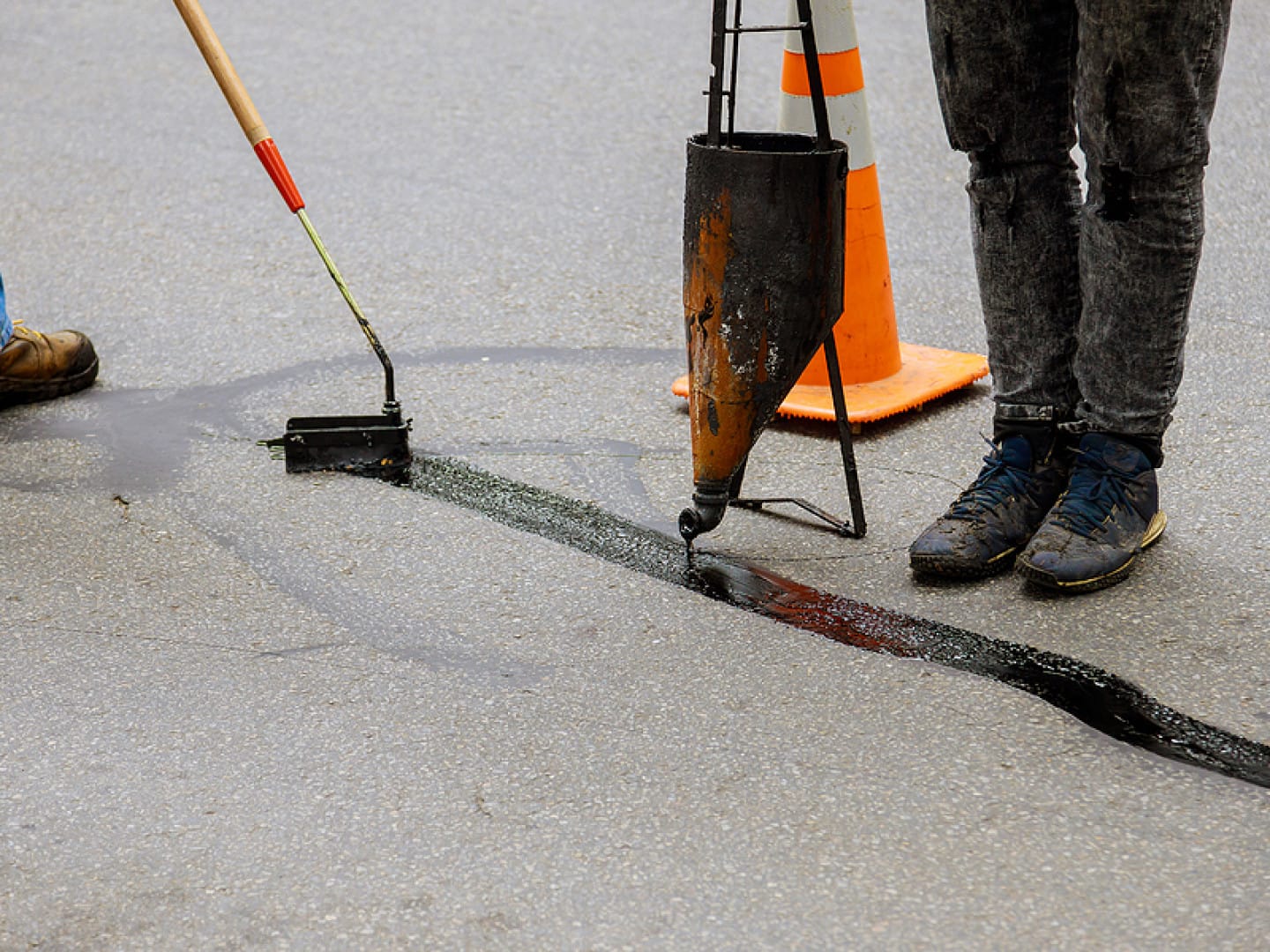
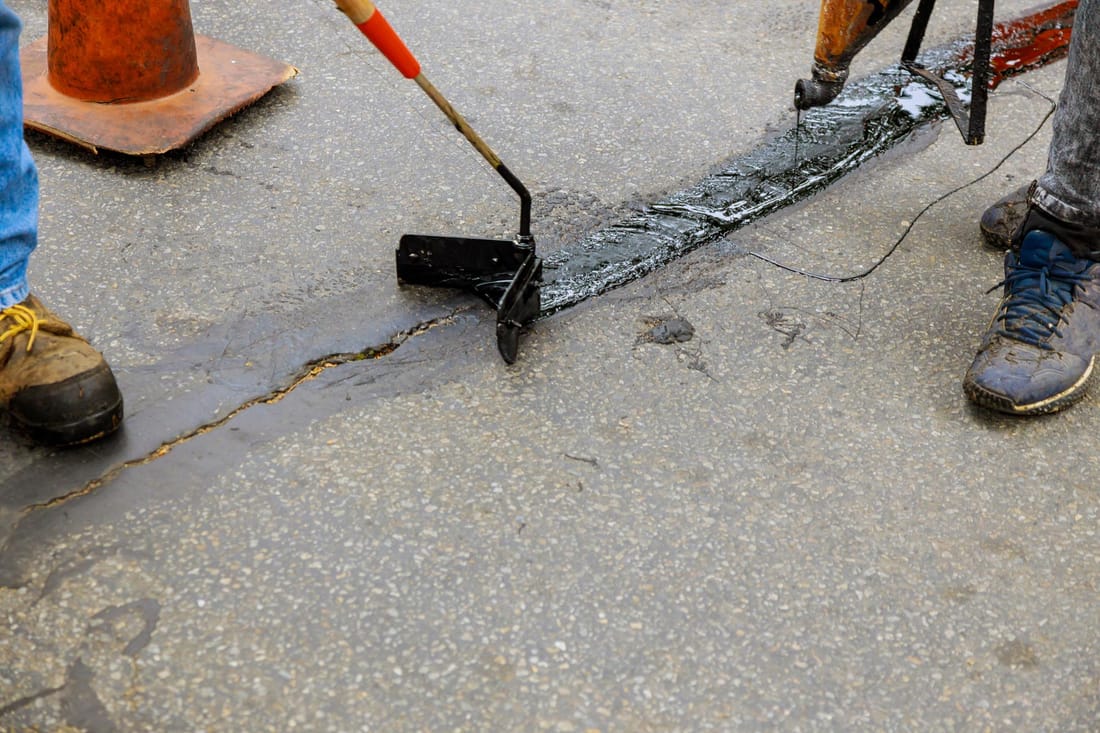
Next, we address cracks and isolated damage before any sealer goes down. This includes routing and hot rubber crack filling for larger working cracks, and cold pour products for narrow, non-working cracks where flexibility is less critical. Only after this repair work is done do we move to sealing.
For sealer, we typically apply a refined coal tar or asphalt emulsion, depending on exposure, environmental requirements, and your preferences. In many parts of Atlanta, commercial properties near sensitive drainage systems or with corporate environmental policies choose asphalt emulsion. We mix sealer with sand and latex additives to improve traction and durability, then apply it in two thin coats by spray, squeegee, or a combination, depending on the surface texture and overspray risk.
We barricade the area with cones, tape, and signage, and provide you with clear reopening times. Under normal summer conditions in Atlanta, light foot traffic is usually safe after roughly 6 to 8 hours, with vehicle traffic after 24 hours, although shaded or humid areas may require longer.
Crack Filling: Materials, Methods, and Local Issues
Crack filling is what keeps Atlanta rainwater from reaching your base and starting potholes. We use different materials depending on the crack type and pavement movement.
For active, wider cracks, we usually use hot applied rubber crack sealant. Where appropriate, we mechanically open or route the crack to a uniform width and depth so the material can seat properly, then clean with compressed air and install the hot rubber at the right temperature. This material remains flexible so it can expand and contract through Atlanta temperature swings without tearing.
For small surface cracks such as hairlines, routing is often unnecessary. We may use a high-quality cold pour crack filler applied from pour pots or wands. The choice comes down to crack width, expected movement, and how much structural value remains in the surrounding asphalt.
Atlanta’s red clay base can retain moisture and cause subtle pavement movement. We look for patterns such as cracks along utility trenches, at catch basins, and where heavy delivery trucks turn. In those situations, we may recommend sawcut patching rather than only crack filling, because repeated movement will simply reopen a crack if the base is compromised. Our crew explains where crack filling is a suitable maintenance fix and where a more involved repair is the better long-term choice.
What Drives Cost for Asphalt Sealcoating in Atlanta
Precision Asphalt Atlanta prices asphalt sealcoating and crack filling based on factors you can see on your pavement, not flat per-square-foot numbers that ignore reality.
Key drivers include total square footage, number and severity of cracks, oil damage, and how many edges or obstacles must be cut in by hand. A wide-open shopping center lot is faster per square foot than a townhouse complex with islands, carports, and tight turns, so we account for that when estimating.
Surface condition is the other big cost factor. If your asphalt has heavy raveling (loose stone), alligator cracking, or standing water, we may need additional prep work or recommend patching some areas instead of coating everything. In many Atlanta neighborhoods, older driveways have been sealed with low-quality products that peel or flake. Removing loose material and priming those areas raises labor time but is necessary if you want the new sealer to last.
Material choice also matters. Hot rubber crack sealant and premium, sand-loaded sealers cost more up front but typically outlast bargain products, especially under UPS, FedEx, and garbage truck traffic that is common in commercial lots and townhome communities. In our proposals we itemize crack filling, patching, and sealcoating separately so you can see where your money is going.
Scheduling, Traffic Control, and Local Requirements
Atlanta traffic and weather can complicate pavement work, so planning is important. Precision Asphalt Atlanta coordinates staging, barricades, and signage so your business or neighborhood can function while the work gets done.
For commercial properties, we typically break large parking areas into phases and work during off-peak hours, evenings, or weekends if needed. We provide a site map showing which sections will close on which days so you can notify tenants, employees, or customers. On multi-family and HOA projects, we supply notices that can be emailed or placed on doors and mail kiosks with closure times and towing information if your community requires it.
Most asphalt sealcoating projects in Atlanta do not require permits if we are not changing grades or adding new pavement. However, if a project is part of a broader redevelopment or alters traffic flow or striping layouts, your municipality or county may have plan review requirements. We are familiar with common expectations in Atlanta, DeKalb, Cobb, Gwinnett, and Fulton jurisdictions and can coordinate with your property manager, HOA board, or general contractor when plans, ADA striping updates, or inspections are involved.
Where HOAs or property managers have specific appearance standards, we review those ahead of time, including color expectations, cure times before re-striping, and any approved working hours so there are no surprises.
How to Prepare Your Property and What to Expect Long Term
A little preparation makes sealcoating and crack filling go smoother. Before our crew arrives, we ask that you remove vehicles, trailers, dumpsters scheduled for pickup, and any portable items such as basketball goals or planters from the work area. Sprinkler systems should be turned off at least 24 hours before and after work so water does not interfere with adhesion or curing.
We recommend scheduling sealcoating between roughly April and October in Atlanta, when temperatures and daylight support good curing. We monitor local forecasts closely. If heavy rain or unusual cold is expected, we will reschedule rather than apply sealer in marginal conditions that could shorten its life.
Once complete, we give you a simple maintenance plan: how long to keep traffic off, when to resume pressure washing if you use it, and what de-icing products are safe if we get winter weather. Typically, sealcoating is repeated every 2 to 4 years in Atlanta depending on traffic, shade, and how well cracks are maintained between visits. If you call us when you first see new cracking or raveling, we can often address issues with small repairs instead of major reconstruction.
Our approach is to track the history of your pavement. Precision Asphalt Atlanta keeps notes and photos from each visit so we can advise you honestly in the future about when to shift from sealcoating to milling and paving if that time comes, and how to budget for it in advance.